






The Thrill of Chance Understanding the Dynamics of Gambling
The Psychology Behind Gambling
Gambling is an activity steeped in human psychology. The appeal of chance plays a significant role in why many are drawn to games of luck. The promise of a potentially life-changing win generates excitement and fuels emotions ranging from hope to despair. Players often find themselves entranced by the possibility of beating the odds, even when they know the statistics may not be in their favor.


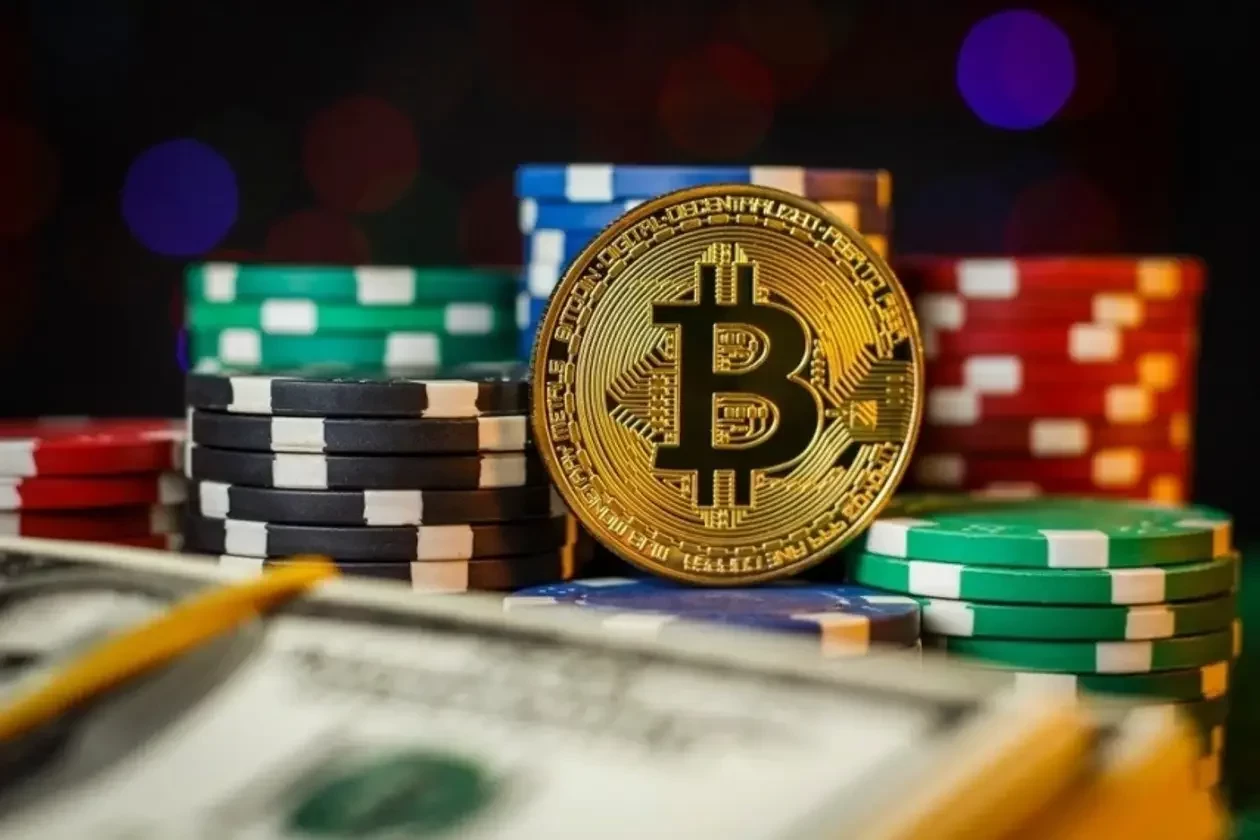

Furthermore, cognitive biases can heavily influence gambling behavior. The illusion of control is a prevalent phenomenon, where players believe they can affect outcomes, even in games governed purely by chance. This misjudgment intertwines with the thrill of taking risks, creating an adrenaline-fueled gamble where individuals often chase after the next big win, leading them to wager more than they initially intended. Many enthusiasts explore various platforms, including sites identified as a rust gambling site, to enhance their experiences.
The Economic Impact of Gambling
The gambling industry significantly contributes to the global economy. As various forms of gambling—such as casinos, sports betting, and online platforms—become increasingly popular, they create employment opportunities and generate substantial tax revenue for governments. The economic landscape surrounding gambling has evolved, particularly with the rise of internet gambling, which has opened new avenues for revenue and user engagement.
However, it is essential to acknowledge the social costs associated with gambling. While the industry can boost economic activity, it can also lead to financial hardships and addiction for some individuals. Hence, balancing economic benefits with responsible gambling initiatives has become increasingly important for regulatory bodies and operators alike.
The Cultural Significance of Gambling
Gambling is a phenomenon that transcends cultures and has been part of human history for centuries. Different societies approach gambling in unique ways, often aligning it with cultural traditions or festivities. Whether it’s high-stakes poker games in the American West or ancient rituals involving betting in Asian cultures, gambling reflects the values, norms, and complexities of societies.
Cultural attitudes towards gambling can also affect its acceptance and integration into daily life. In some countries, it is celebrated and embraced, while in others, it faces significant social stigma. These varying perspectives shape not only how gambling is practiced but also how it affects individuals within those communities.
Connecting with Like-Minded Individuals
Engaging in gambling creates opportunities to connect with others who share similar interests. Whether playing poker at a high-stakes table or participating in an online casino, the social aspect of gambling can lead to lifelong friendships and networks built around a shared passion. This sense of community contributes to the thrill of the game, as players often find camaraderie among fellow gamblers.


Moreover, many websites dedicated to gambling facilitate discussions and share tips among enthusiasts, fostering an environment where individuals can learn from one another while enjoying their favorite games. By joining these platforms, newcomers can navigate the complexities of gambling with the support of experienced players, enhancing their overall experience and understanding of this thrilling realm.